
Our Popcorn Ceiling Removal Process
From the asbestos test to the final walkthrough, here's exactly what happens when we take down a popcorn ceiling in your Gainesville-area home.
Get a Free Quote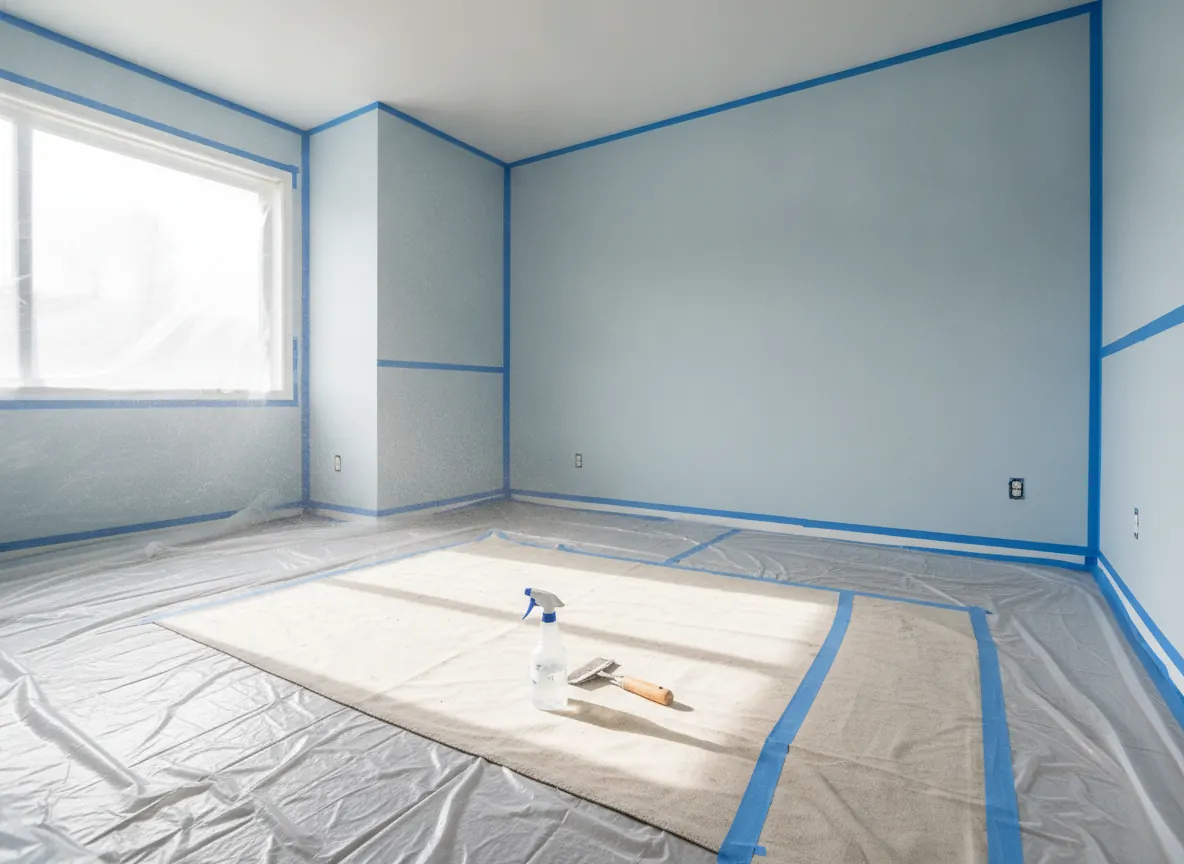
Seven Steps, Test First
Popcorn ceiling removal is messy by nature. A good process keeps that mess inside plastic, gets the texture off cleanly and leaves a ceiling that looks finished, not just scraped. The order matters, and the first step is the one people most often want to skip.
Many Gainesville homes were built or remodeled in the era when popcorn texture could still contain asbestos; the Census puts the city's median home at 1983. So every job starts with a test, and the rest of the plan depends on the result.
Wondering what it costs? See the popcorn ceiling removal cost guide.
Step by Step
Test first
Before any water or scraper touches the ceiling, an accredited professional takes small samples of the texture and a lab analyzes them. EPA recommends that trained, accredited professionals take samples, and that you treat the material as if it contains asbestos until you know otherwise. Lab analysis typically runs about $20–$100 per sample according to the Florida DEP FAQ. We can help you arrange testing, and nothing else is scheduled until results come back.
Prep and containment
Once the ceiling tests negative, we protect the room. Floors get plastic sheeting, walls are draped in plastic from ceiling to floor, and outlets, light fixtures and vents are covered and taped. The HVAC is turned off so dust isn't pulled through your ductwork, and anything left in the room is moved to the center and wrapped. Doorways get plastic barriers to keep the rest of the house clean.
Wet and scrape
We mist the texture with water in small sections and let it soak in. Wet popcorn softens and comes off in clumps instead of dust, and a wide scraper takes it down to the drywall. Painted texture resists water, so it takes longer and sometimes needs a different approach, which we'll have flagged during your estimate.
Bag and dispose
Debris falls onto the plastic, which is rolled up, bagged and sealed as we go so it isn't tracked through the house. Bags are hauled away for disposal. Debris disposal typically adds about $100–$500 depending on volume, and we list it on your quote.
Repair and skim
With the texture gone, the bare ceiling shows everything: gouges, nail pops, loose tape, cracks and old water stains from roof leaks; with about 53% of Gainesville's yearly rain falling June through September, stains are worth a close look. We patch and re-tape where needed, then apply joint compound. For a smooth ceiling, that means one or more skim coats, sanded between coats until the surface is flat.
Texture, prime and paint
If you prefer a light texture, we apply knockdown or orange peel instead of a full skim coat. Either way, fresh compound has to be primed before paint so the finish doesn't flash or look blotchy. Then the ceiling gets its finish coats of paint in the color and sheen you choose.
Cleanup and walkthrough
Plastic comes down carefully and is bagged, floors are vacuumed and wiped, and vents and fixtures are uncovered. The HVAC goes back on. Then we walk every room with you under good light, and anything you're not happy with gets touched up before we call the job finished.
What Changes If the Test Is Positive
If the lab finds asbestos, we stop. We don't perform asbestos abatement, and we won't wet, scrape or sand a ceiling that has tested positive. Here's what happens instead:
- A licensed asbestos abatement contractor handles removal. We can help you find one. EPA suggests using separate firms for inspection and removal, and Alachua County's EPD guidance says the same.
- Costs change. National cost guides put abatement at roughly $3–$20 per square foot, compared with $1–$4 for a ceiling that tests negative.
- You may have other options. Some owners choose to leave the texture undisturbed, encapsulate it or cover it with new drywall. Our guide to remove, cover or encapsulate walks through the trade-offs.
- We can still finish the job. Once abatement is complete, we can handle the smooth finish, retexture or painting.
Florida DEP's FAQ says the federal asbestos NESHAP residential exemption covers a building with four or fewer units that isn't part of a larger project and was never used commercially; larger and commercial jobs fall under NESHAP notification rules. That exemption doesn't exempt anyone from OSHA or licensing rules. This isn't legal advice; check with the agency or a licensed professional. More in our Florida asbestos rules guide and on our asbestos testing page.
How to Get Ready
- Take small items, decor, artwork and valuables out of the work rooms.
- Plan for the HVAC to be off in those rooms during removal.
- Keep kids and pets out of the work area until cleanup is done.
- Have any ceiling fans or light fixtures you want replaced on hand, so they go up after paint.
Not sure what to do once the texture is gone? Read what to do after popcorn ceiling removal, browse the FAQ, or request your free in-home estimate.
Ready for smooth, modern ceilings?
Free, no-pressure quotes across Gainesville, Alachua, Newberry, High Springs and the rest of Alachua County.